SpiraTeam Features
ALM Software
SpiraTeam provides a complete Application Lifecycle Management (ALM) solution that manages your requirements, tests, plans, tasks, bugs and issues in one environment, with complete traceability from inception to completion.
Below are some of the most popular features in SpiraTeam. Click on the appropriate feature name to learn more about the functionality that SpiraTeam offers:
Project Management
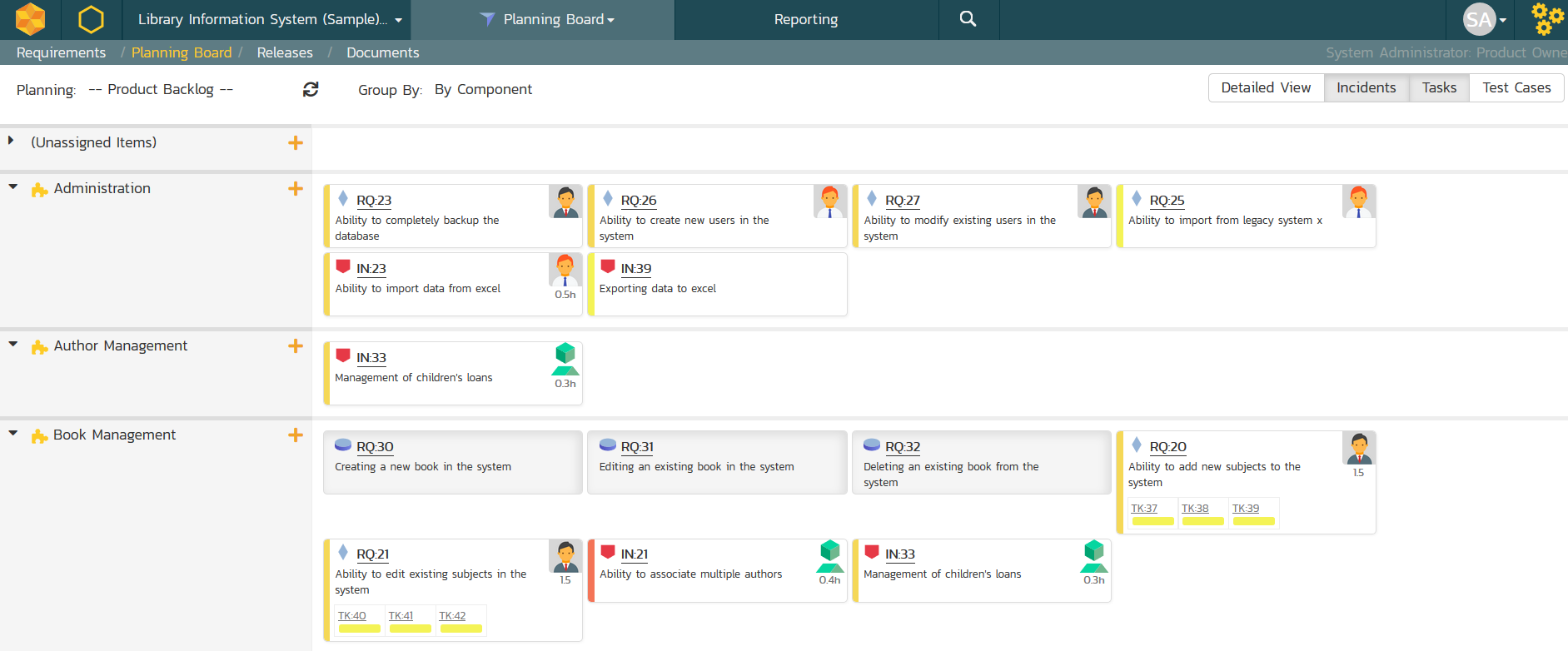
Planning Board
Once the project is underway, the combined business and technical team work together to develop the sprint plan for the iterations, breaking up the features into discrete tasks and assigning the tasks to the individual team members. During development as the team work to complete the various tasks and stories, the system will track changes in the actual effort to determine if the plan needs to be rebalanced to ensure on-time, on-budget delivery.
Project Management
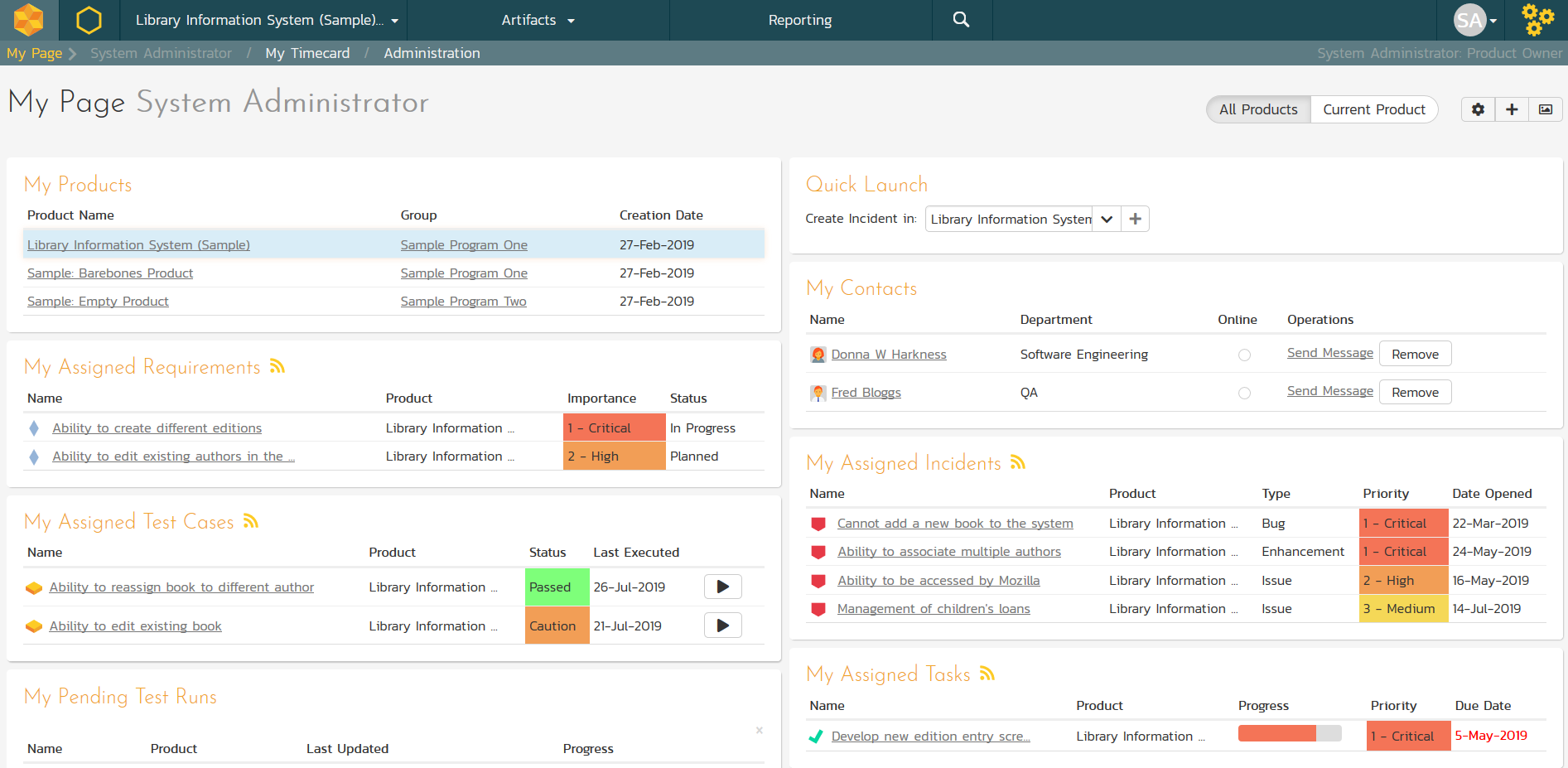
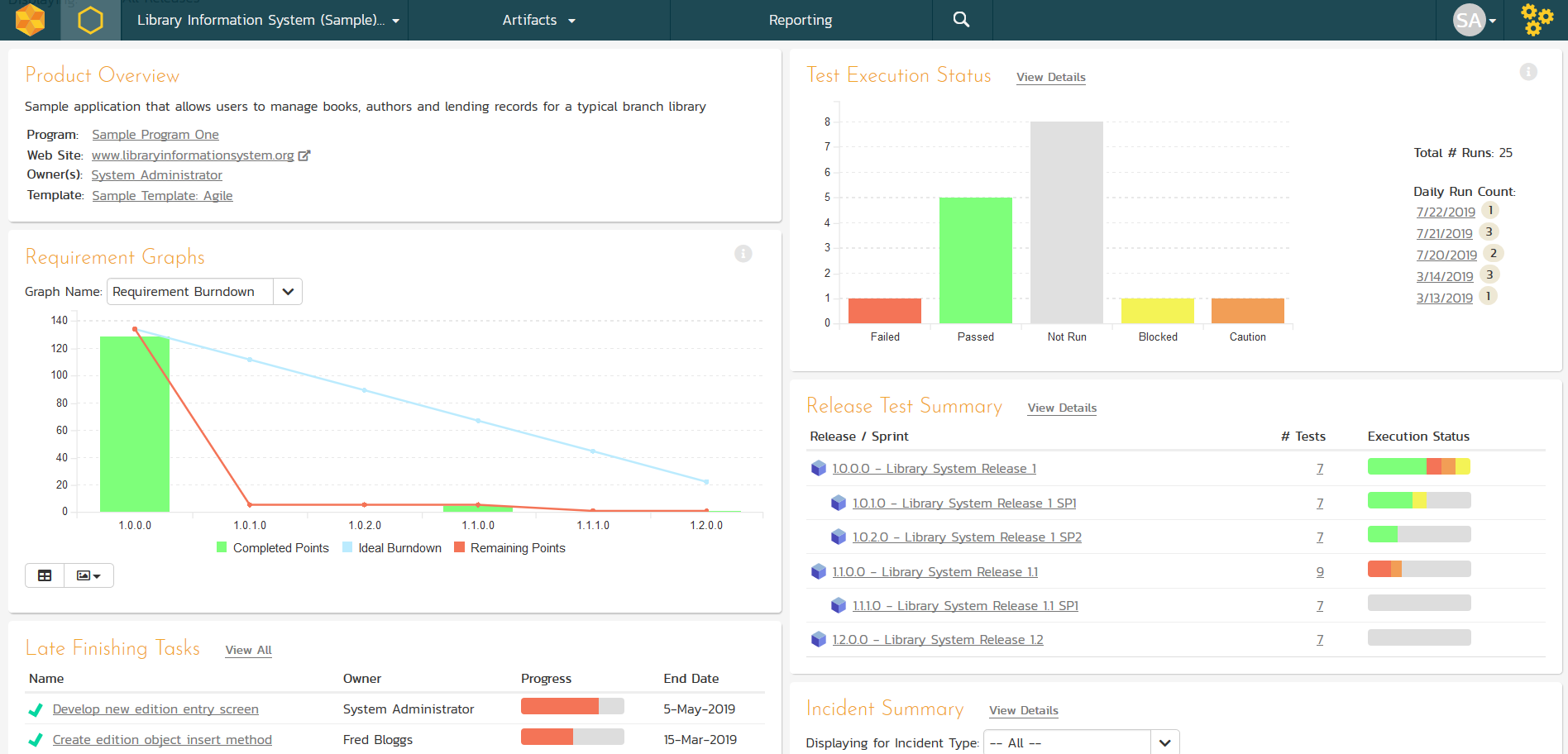
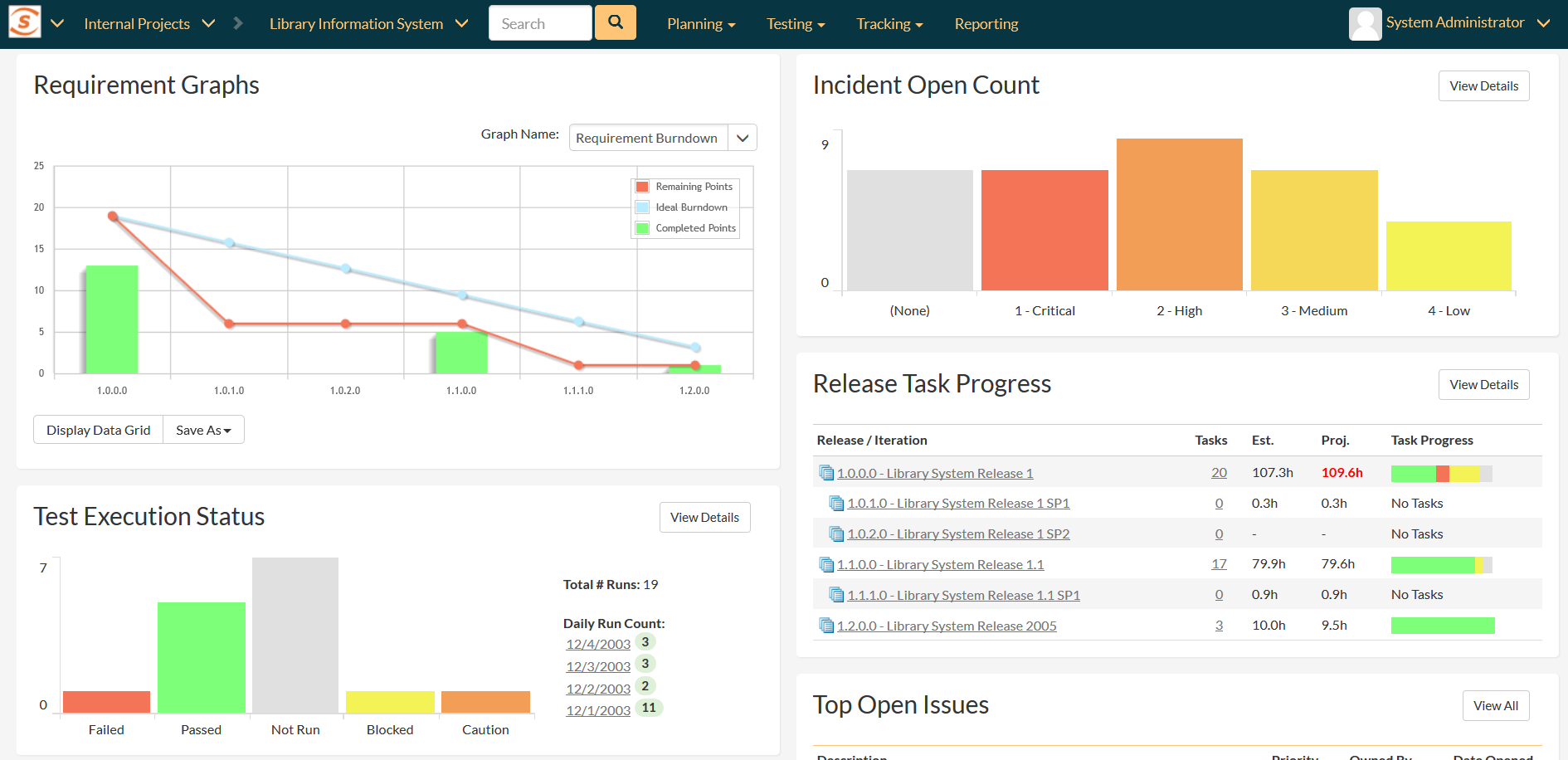
Wish you could see the health of your project on one page? Each project has a dashboard home-page that summarizes all of the information regarding the project into a comprehensive, easily digestible form that provides a “one-stop-shop” for people interested in understanding the overall status of the project at a glance. It contains summary-level information for all types of artifact (requirements, test cases, incidents, etc.) that you can use to drill-down into the appropriate section of the application.
Agile Release Planning Methods & Tools
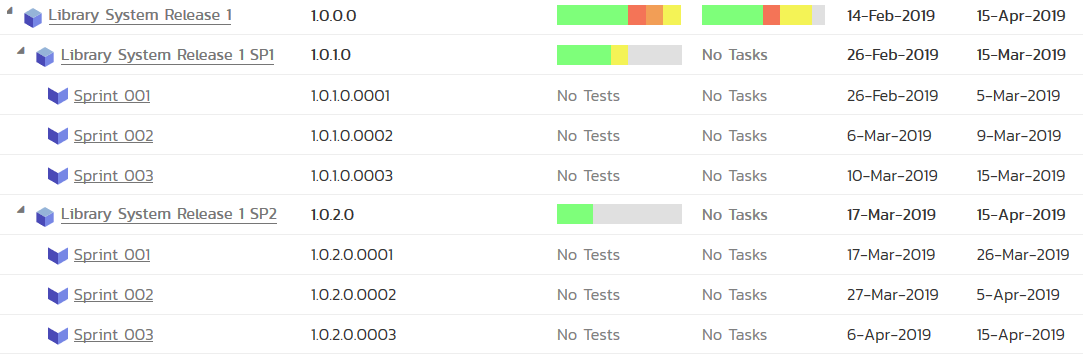
SpiraTeam provides the ability to manage the list of releases / versions of the software being developed. Each of the releases can be broken down into smaller units of work called Iterations or Sprints. SpiraTeam includes integrated resource estimation capabilities so that you can plan out the team size needed for each iteration.
What is Sprint & Iterations Planning?
Once you have defined the project backlog of requested features (requirements), SpiraTeam lets you plan the work to be accomplished in each Iteration/Sprint. You can include requirements, tasks and defects - allowing you to determine the schedule impact of addressing critical issues as well as pre-planned features.
Source Code Management
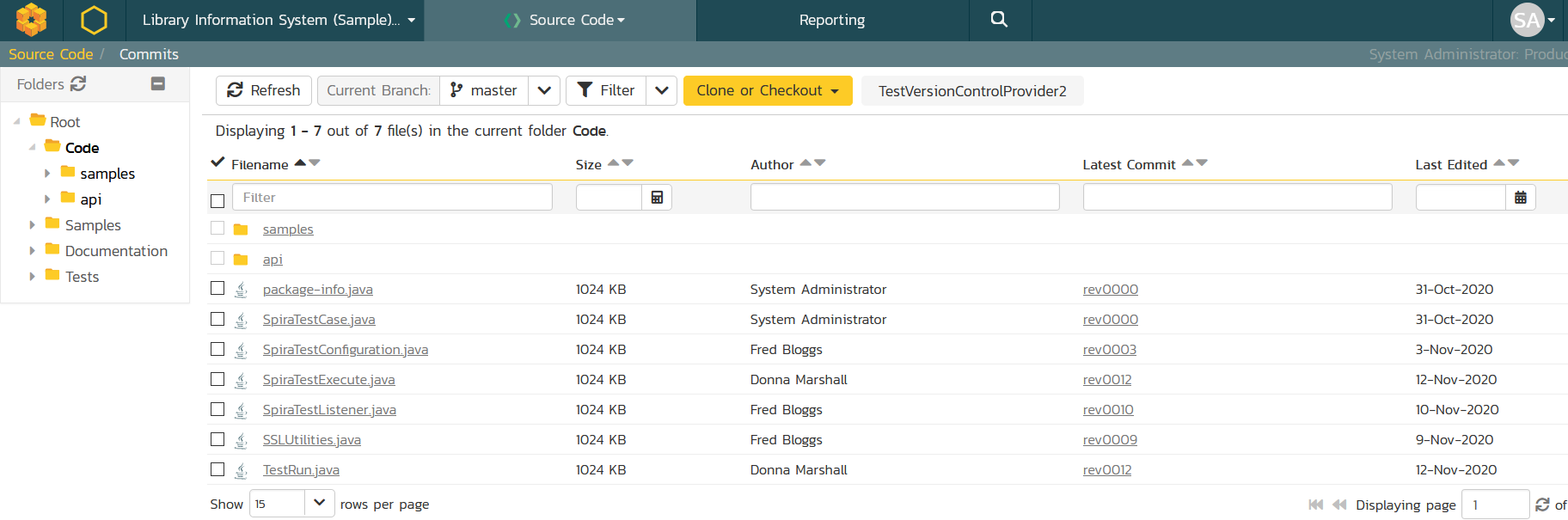
SpiraTeam includes powerful Software Configuration Management (SCM) tools with the system so that you can connect and browse source repositories within SpiraTeam. In addition you can link commits in the code repositories to other artifacts in SpiraTeam to provide code-level traceability of changes. This functionality will allow the system to track the code changes that are associated with Requirements (stories) that have been implemented, Tasks that have been completed or Incidents (defects) that have been fixed. This gives unparalleled traceability across the development lifecycle.
Task Management
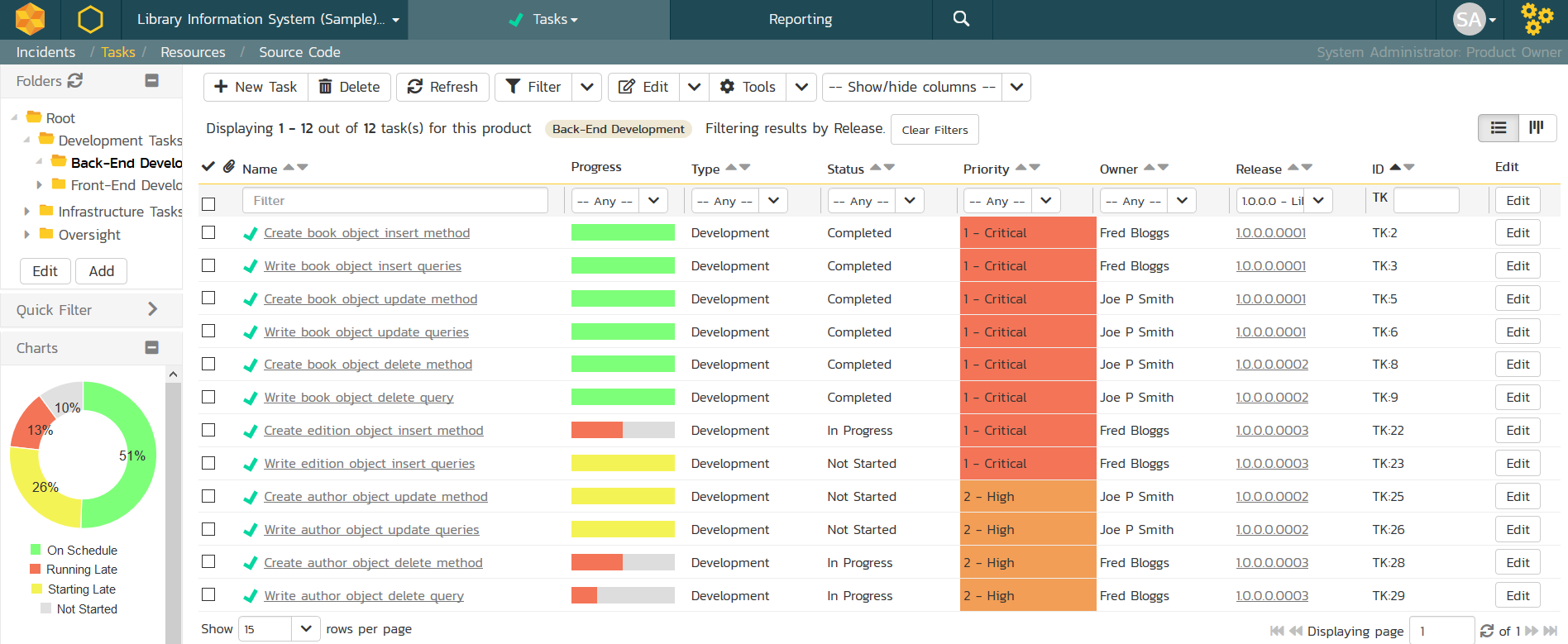
SpiraTeam includes a robust task management system that lets users define tasks, categorize into types, organize by folder, assign to team members, and track the progress until completion.
Resource Management
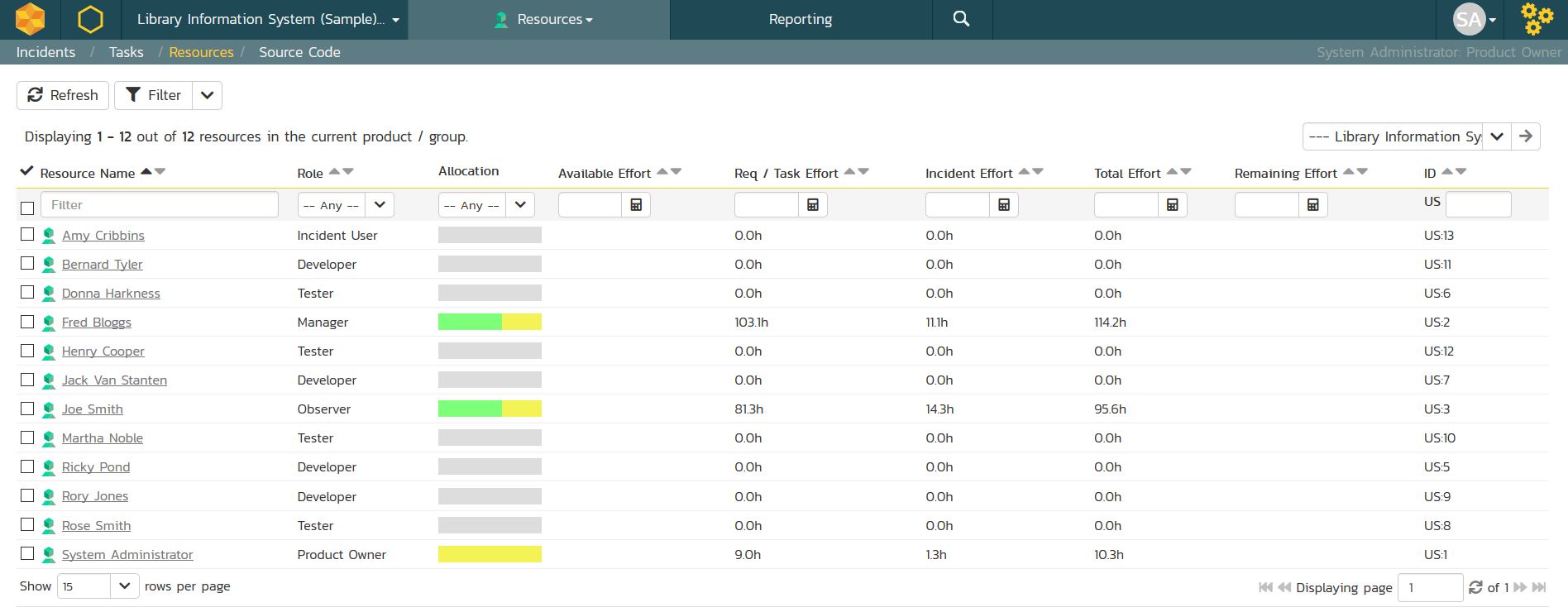
SpiraTeam lets you schedule the team members and load balance the task resourcing allocations. As team members work on their assigned tasks they can update their progress in terms of actual and remaining effort. This provides project managers with real-time visibility on the progress of the iteration and early indications of schedule overrun.
Build Management
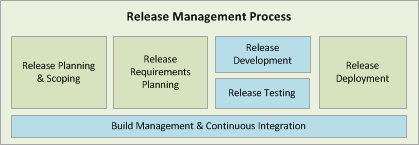
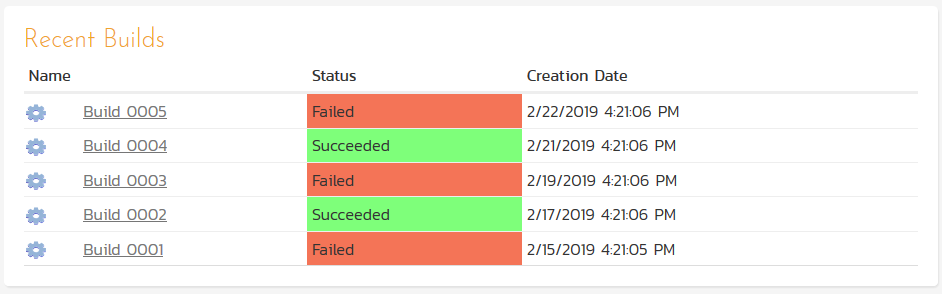
SpiraTeam provides the ability to integrate with continuous integration build servers such as Hudson and CruiseControl so that the status of builds can be recorded in SpiraTeam and linked to source code revisions, incidents and test runs. This provides traceability for each build, so that you can see what was changed in each build, what was tested and what was fixed.
Quality Assurance
Requirements Management Tools & Software
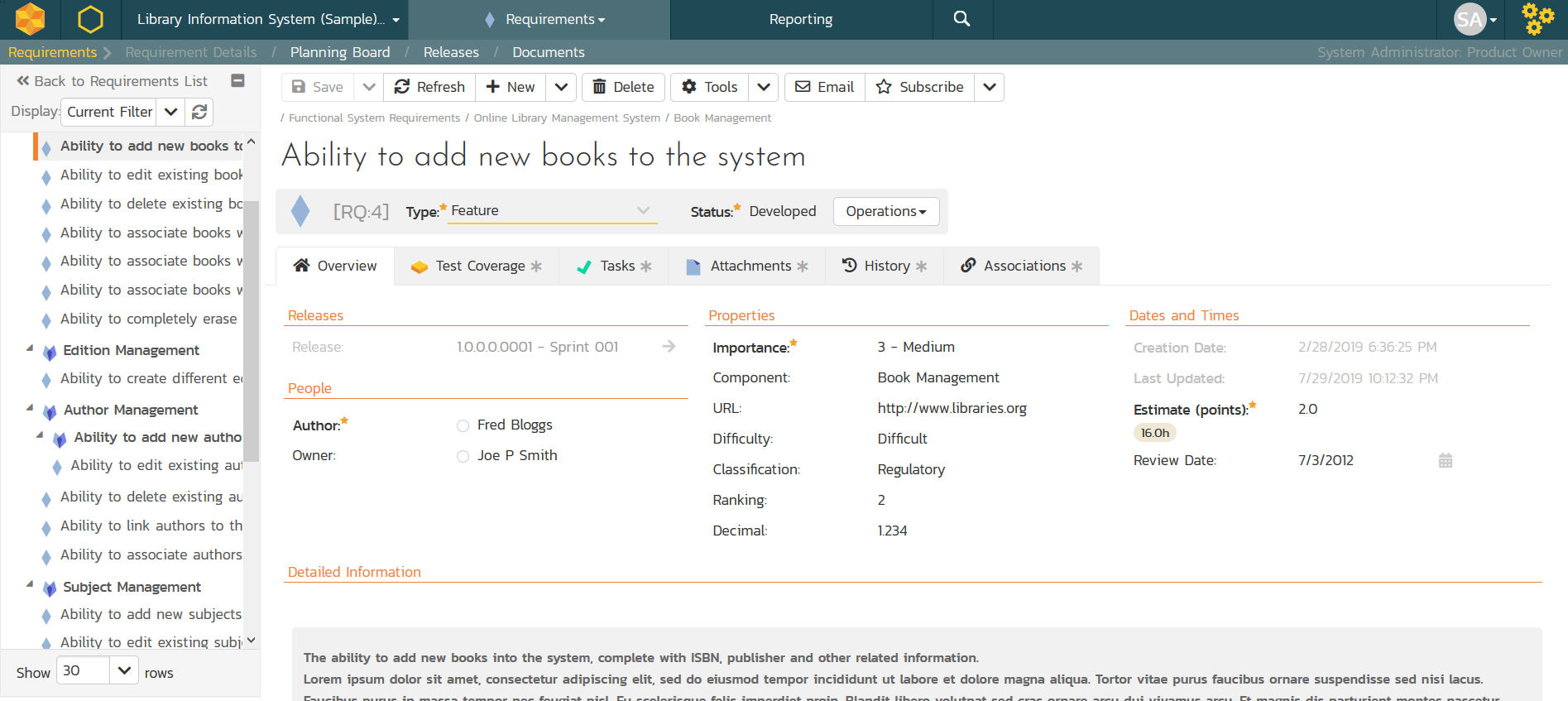
Manage your requirements with confidence using SpiraTeam. SpiraTeam lets you easily manage your requirements and user stories in an integrated requirements matrix. SpiraTeam allows you to drill down from each of your captured requirements to determine how many test cases have validated the functionality, and status of each of the defects logged.
Test Case Management Tools & Software
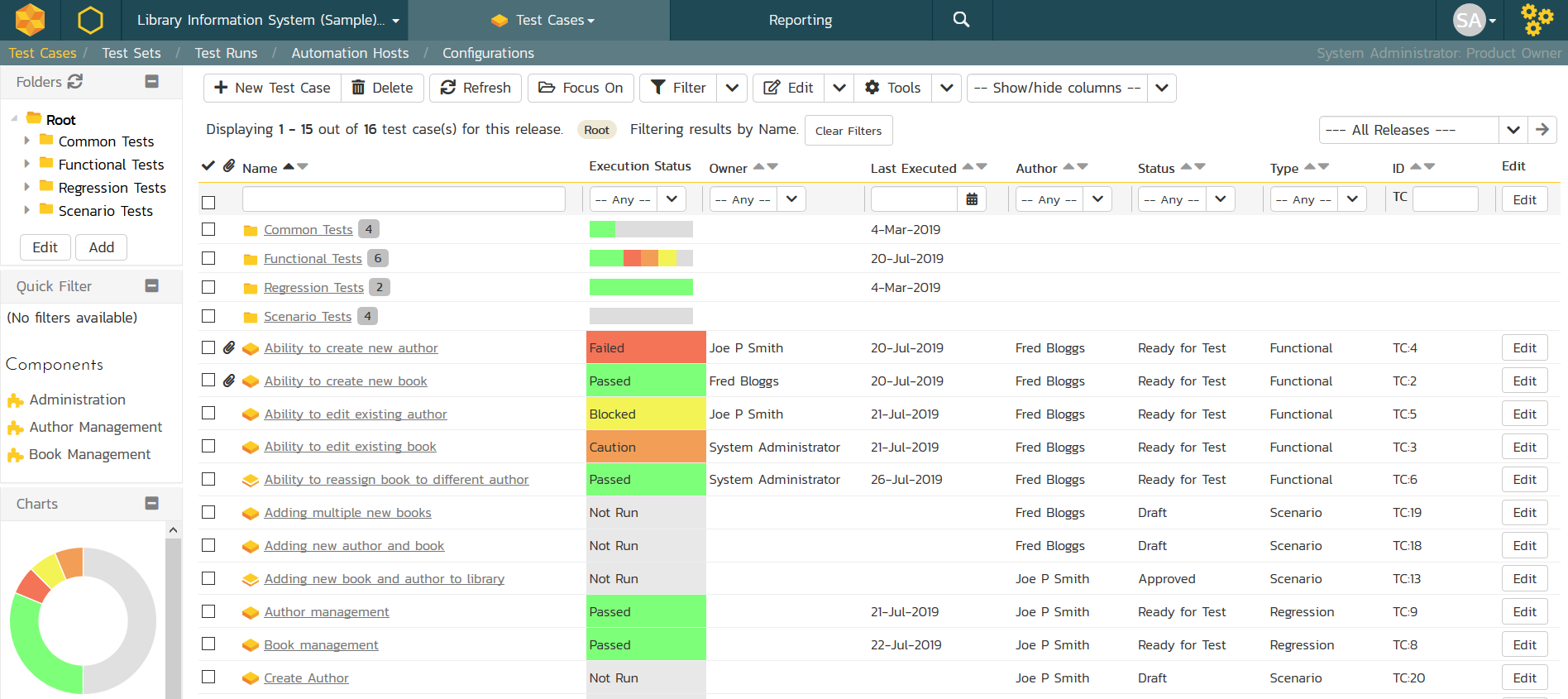
Tired of managing your project requirements and test cases in documents and spreadsheets? Empower your testing team and throw off the shackles of outdated methods. SpiraTeam offers unparalleled functionality and usability combined with our award-winning technical support. Available as an on-premise installation or hosted service to fit your needs.
Bug Tracking
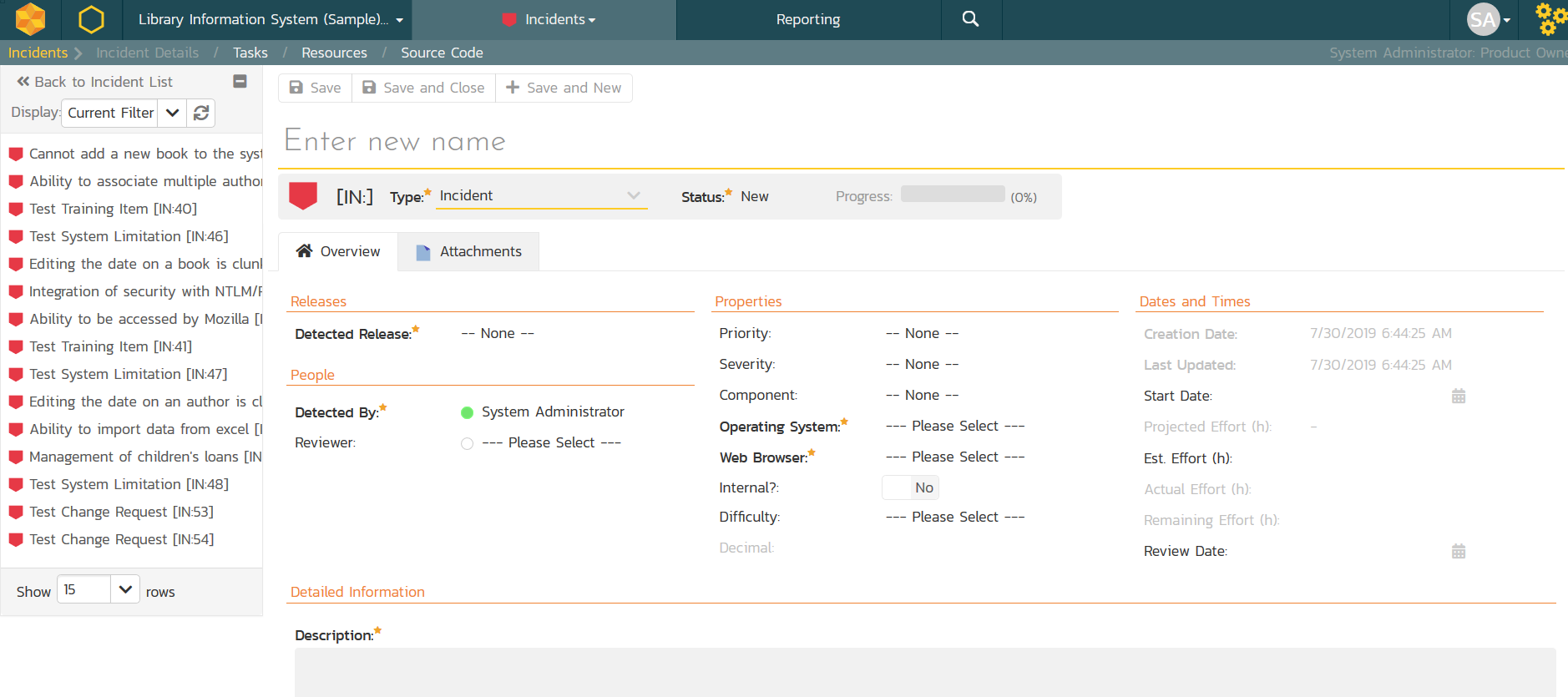
Looking for a better way to track bugs and issues? SpiraTeam offers a complete bug tracking solution that manages your entire testing process.Bug tracking features include support for customizable workflows and fields, flexible reporting, configurable email notifications, and fully editable statuses, priorities, severities and bug types.
What is Manual Testing for Software?
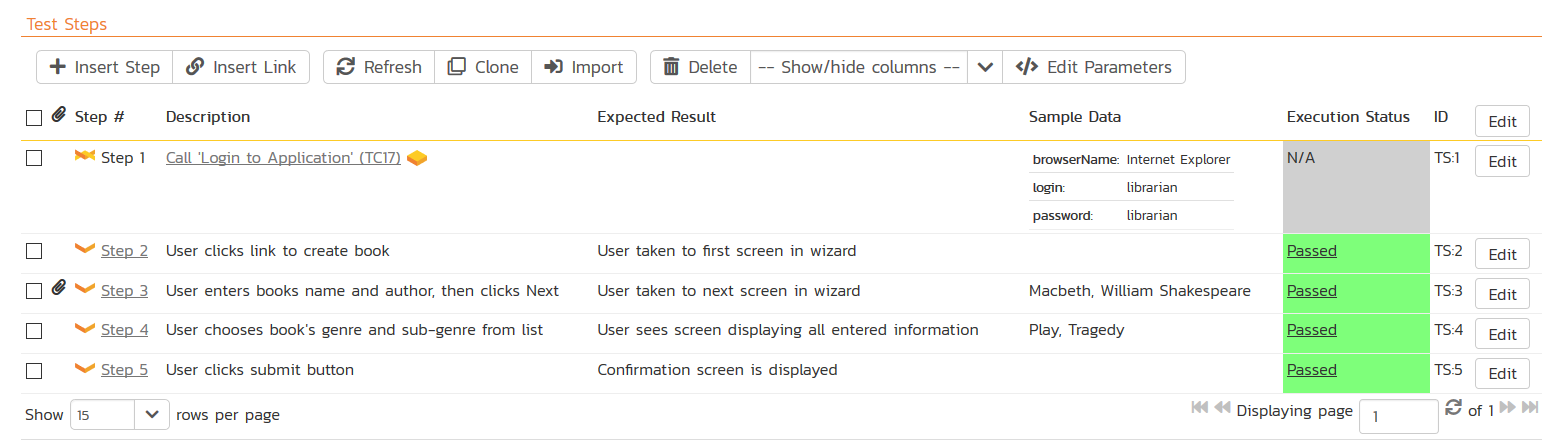
SpiraTeam provides the ability to execute groups of test cases using an easy-to-use test execution wizard that allows you to mark each step as pass/fail and optionally record a bug / defect. This provides complete traceability from a recorded defect to the underlying requirement.
Automated Testing
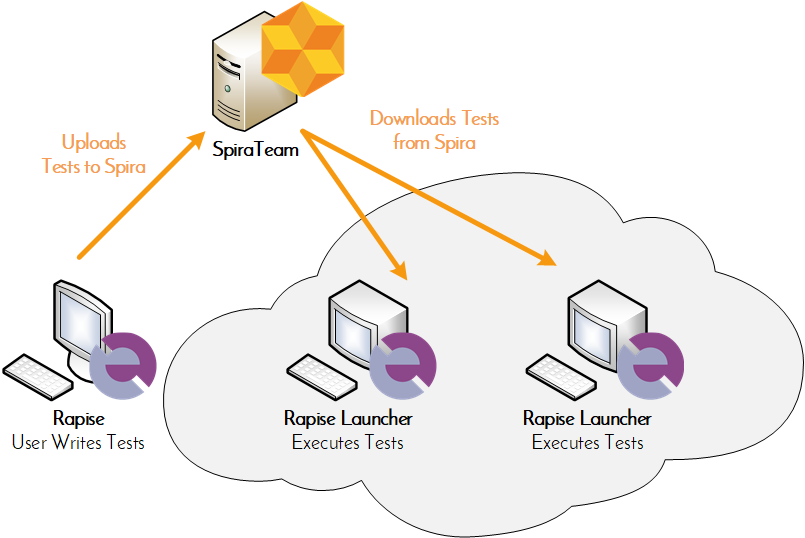
Wish you could manage your automated testing in the same environment as your manual testing? With RemoteLaunch for SpiraTeam you can setup automated test cases in SpiraTeam and schedule them against a master list of automation hosts for execution on either the local computer or remote machines. Available Plug-ins include: QuickTest Pro, TestComplete, Squish, Selenium and Command-Line.
Exploratory Testing
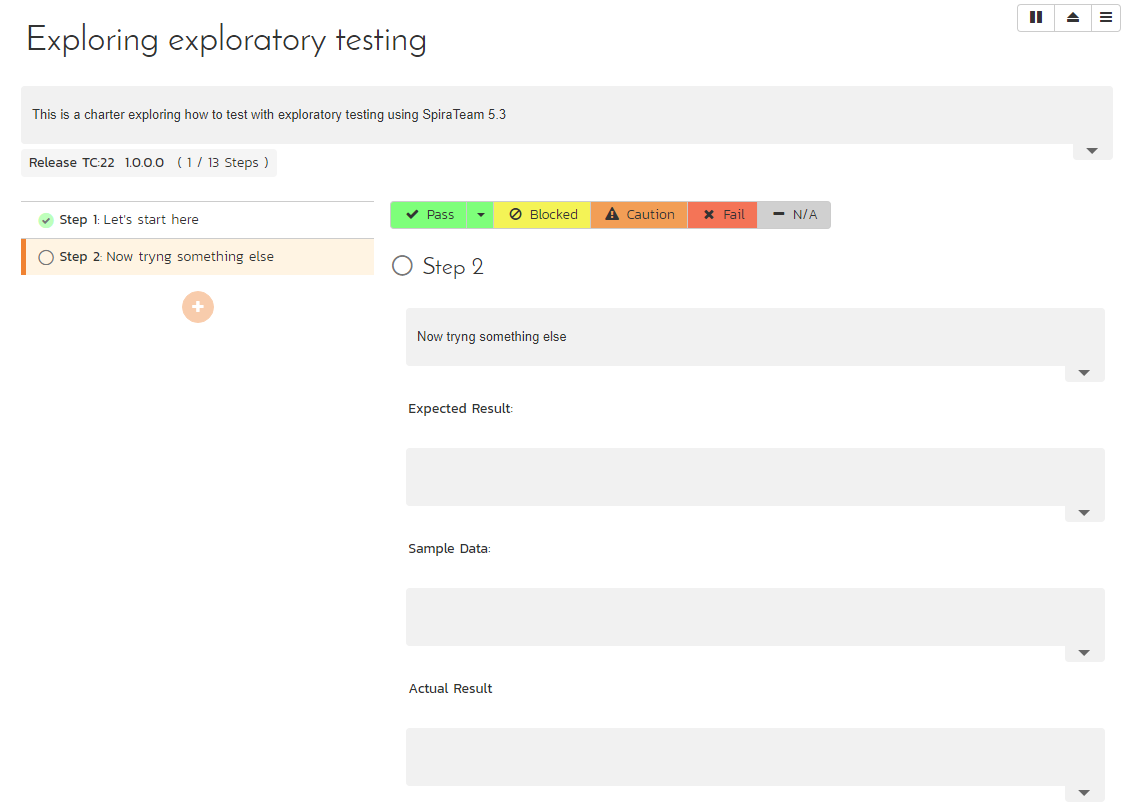
SpiraTeam includes a dedicated exploratory testing mode where you can create and edit your tests on the fly during testing. It also includes tools for tracking follow-up activities between the developers and testers.
Collaboration
Document Collaboration
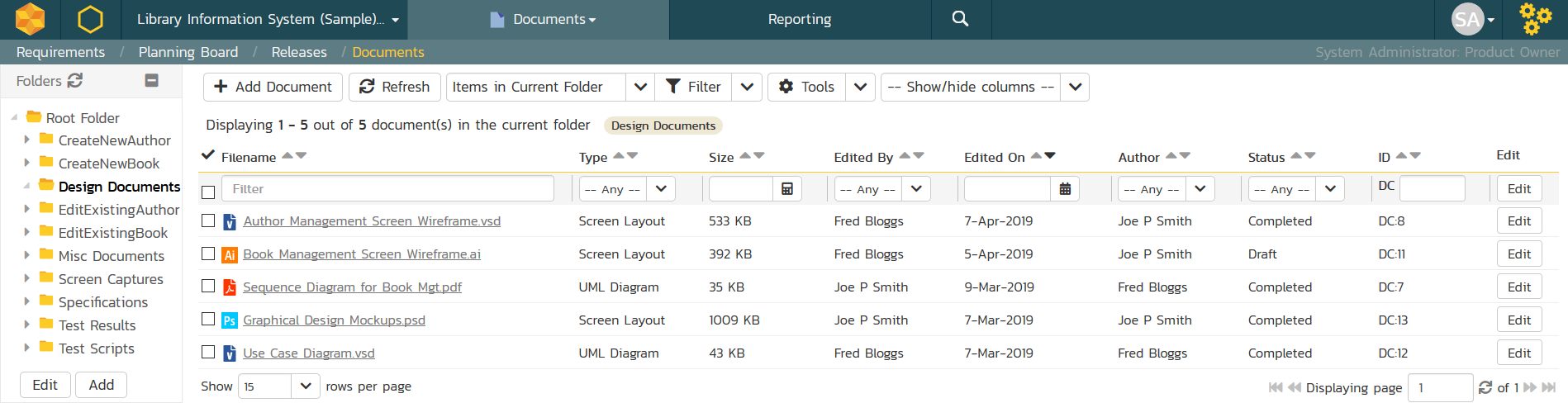
SpiraTeam includes an integrated web-based document management system that allows project members to upload documents in a secure, centralized location, with support for folder organization, documentation taxonomies and meta-tagging as well as built-in version control. Unlike a standalone tool, these documents can then be connected to SpiraTeam artifacts (requirements, tasks, incidents) to provide the complete picture to users.
Rich Content Editing
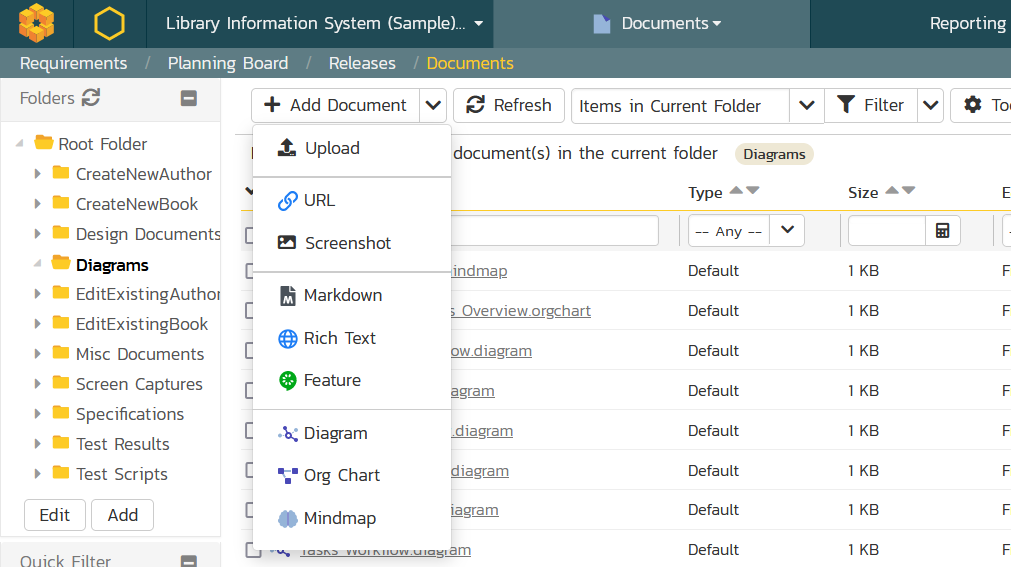
SpiraTeam makes the capturing and collaboration on unstructured content easy. You can author textual content in markdown, rich text, and Gherkin BDD feature-file format as well as create flowcharts, mindmaps and other diagrams directly inside the system. The internal Wiki lets you link pages together, embed diagrams and comes with built-in version tracking and rollback. Finally, there is also a built-in spreadsheet editor for tabular data.
Pull Requests & Code Reviews
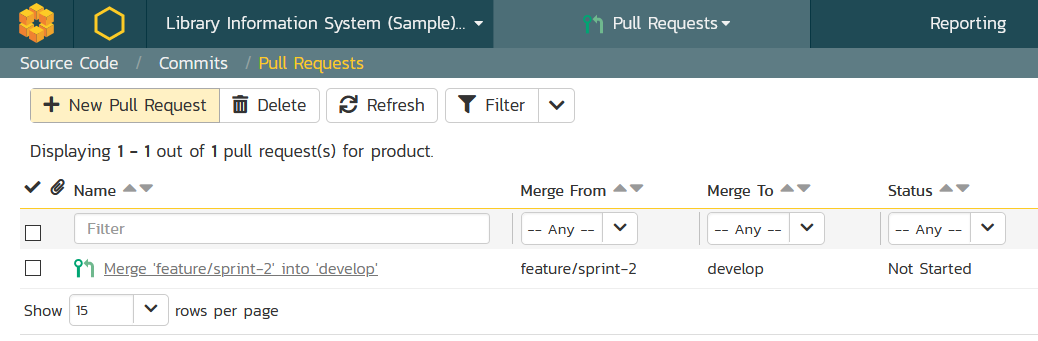
SpiraTeam lets you manage your software development activities and workflows with ease. You can create pull requests (also known as merge requests) to track code branches ready for review. Using the tracking and commenting features, developers can collaboratively review the code and approve the merge into the main development branches.
Instant Messenger Tools & Software
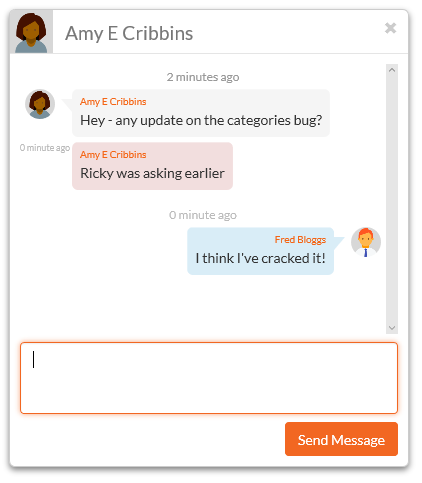
SpiraTeam comes with a build-in integrated instant messaging capability. This lets users see which users are currently logged-into the system, maintain a list of contacts and where available, send short instant messages to other users. Any messages exchanged can then be posted to relevant artifacts in the system as permanent comments.
Email Integration
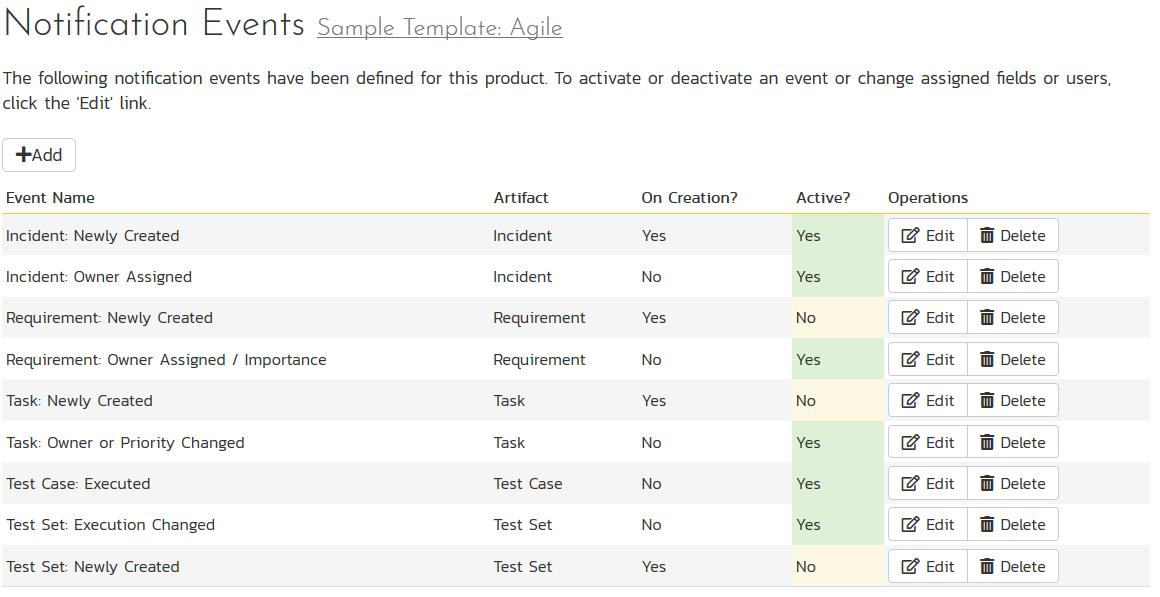
SpiraTeam has powerful email integration capabilities that ensure that all users are notified about changes in the system, and allows users to raise incidents and post comments directly from their email system.
IDE Integration
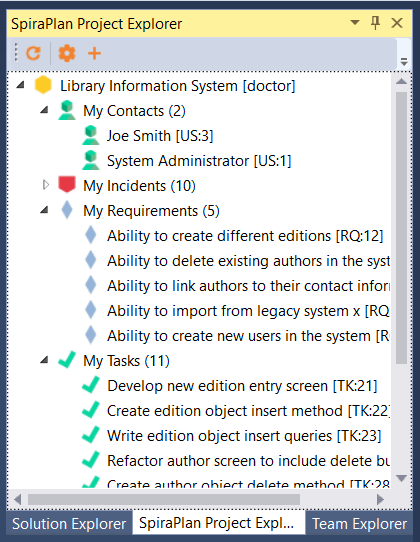
Developers responsible for developing the software code typically need to work in powerful IDEs that are appropriate to the type of the software being developed. Therefore to maximize efficiency and improve productivity, developers can now access their SpiraTeam information directly within their existing IDE. For Visual Studio, there is an Add-In that snaps into the existing Solution Explorer, adding a project explorer that displays the assigned requirements, tasks and incidents. You can open up any of the artifacts in the main viewing pane and act on them accordingly. For Eclipse users, we have used the Mylyn task-focused interface to deliver SpiraTeam information directly into the Mylyn task repository so that using SpiraTeam is as familiar as any other part of the Eclipse environment.
Other
Reporting
Want a better way than printing out test scripts, recording defects/bugs on paper and then capturing it all back afterwards? SpiraTeam includes an extensive library of printable reports and graphical charts. The reports can be customized through extensible XML based report templates. The supported report formats include: MS-Word, MS-Excel, HTML, Adobe Acrobat and MS-Project.
Mobile Device Support
SpiraTeam has full support for mobile devices including smartphones and tablets. It provides a mobile web interface that can be accessed by a wide variety of devices and platforms, including iOS (iPhone, iPod, iPad), Android (Nexus, Galaxy) and Windows Phone 8.
Customization
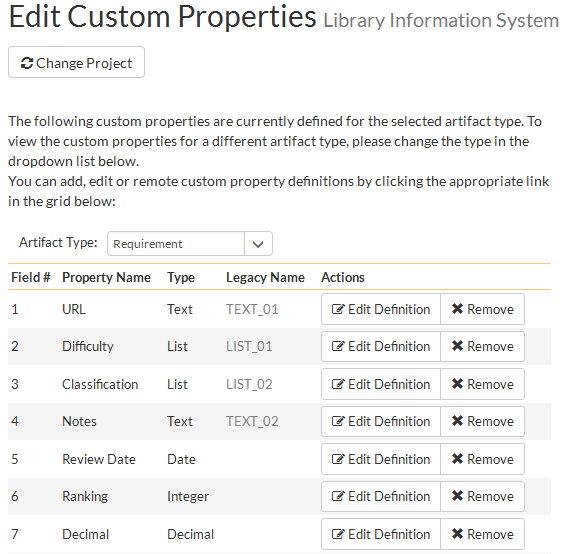
Customization and configuration are critical for ensuring that a system integrates seamlessly your business processes. SpiraTeam can be configured and customized without any coding or scripting. You can create custom properties throughout the system, customize all the incident fields (status, priority, severity, etc.), create customized email templates, and configure custom workflows for managing the testing process.
Administration
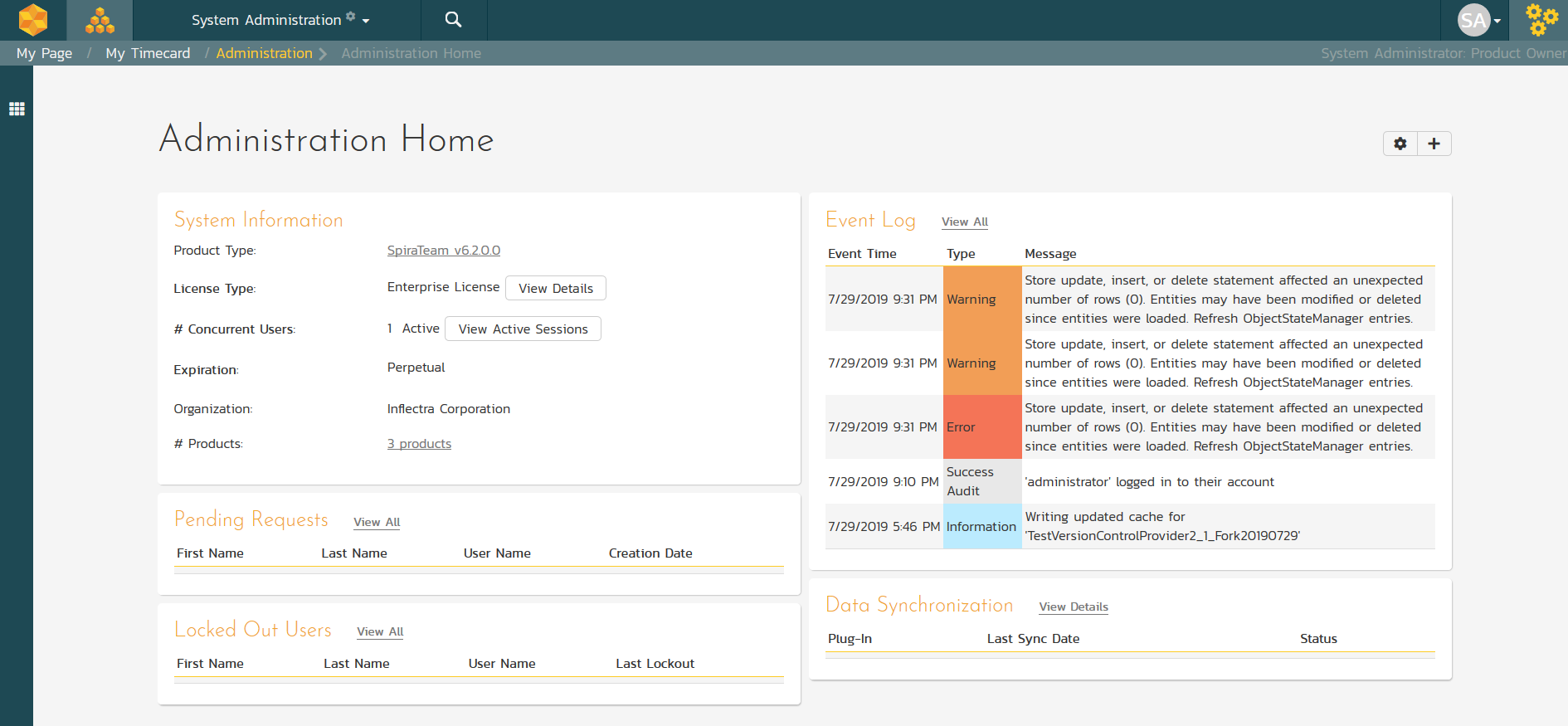
SpiraTeam has an extensive administration capability that can be accessed using just a web-browser. To reduce the burden on IT staff, you can delegate project administration to different users, allowing project managers to be self-sufficient.
Baselining
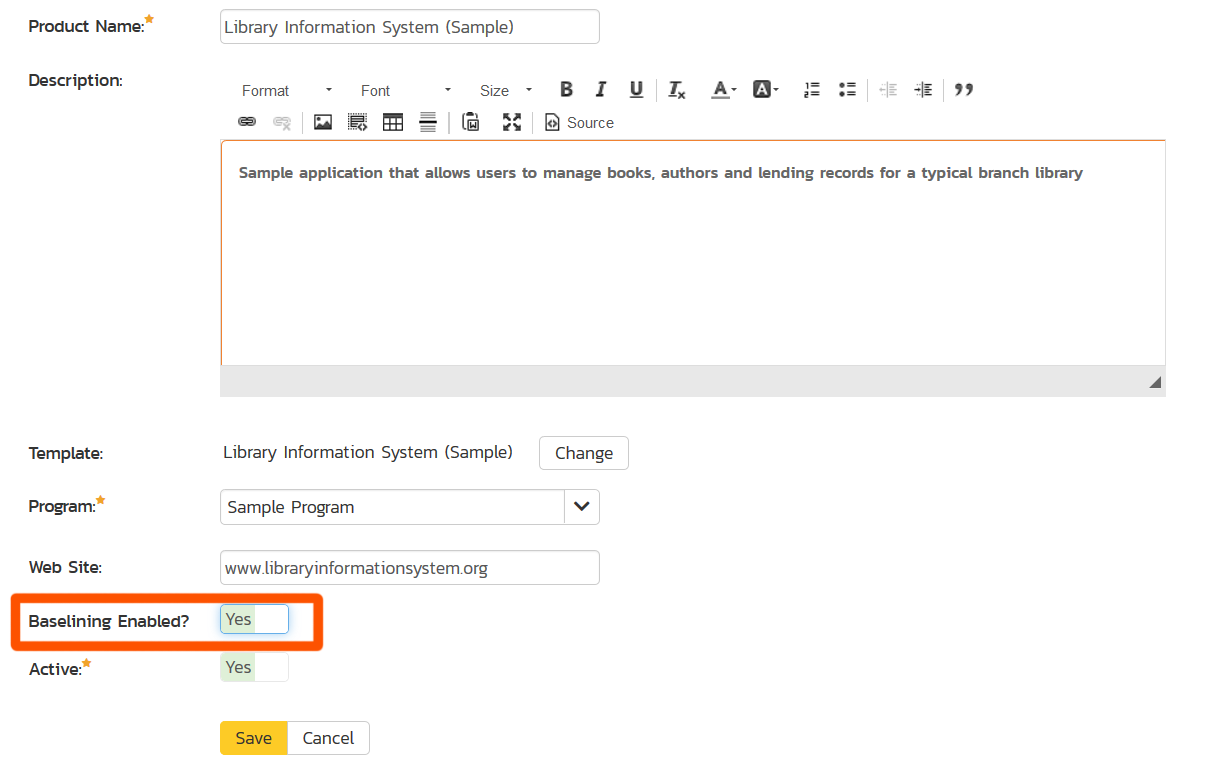
SpiraTeam provides powerful baseline management features that allows you to have robust configuration management and version control of the artifacts in your projects and products. This makes SpiraTeam especially well suited for managing requirements, test cases and other artifacts on more complex systems and engineering projects.

Data Migration
Leverage your existing testing data with SpiraTeam. Using our Add-Ins for Microsoft Word, Excel and Project you can easily import requirements, test cases, releases and incidents from your existing templates. In addition SpiraTeam comes with an import wizard for easily migrating from HP Quality Center or Mercury TestDirector.
Evaluation Guides
Feature Checklist
Review the complete feature list that shows you why SpiraTeam is your best choice for application lifecycle management (ALM).

Try SpiraTeam free for 30 days, no credit cards, no hassle
Start My Free TrialAnd if you have any questions, please email or call us at +1 (202) 558-6885